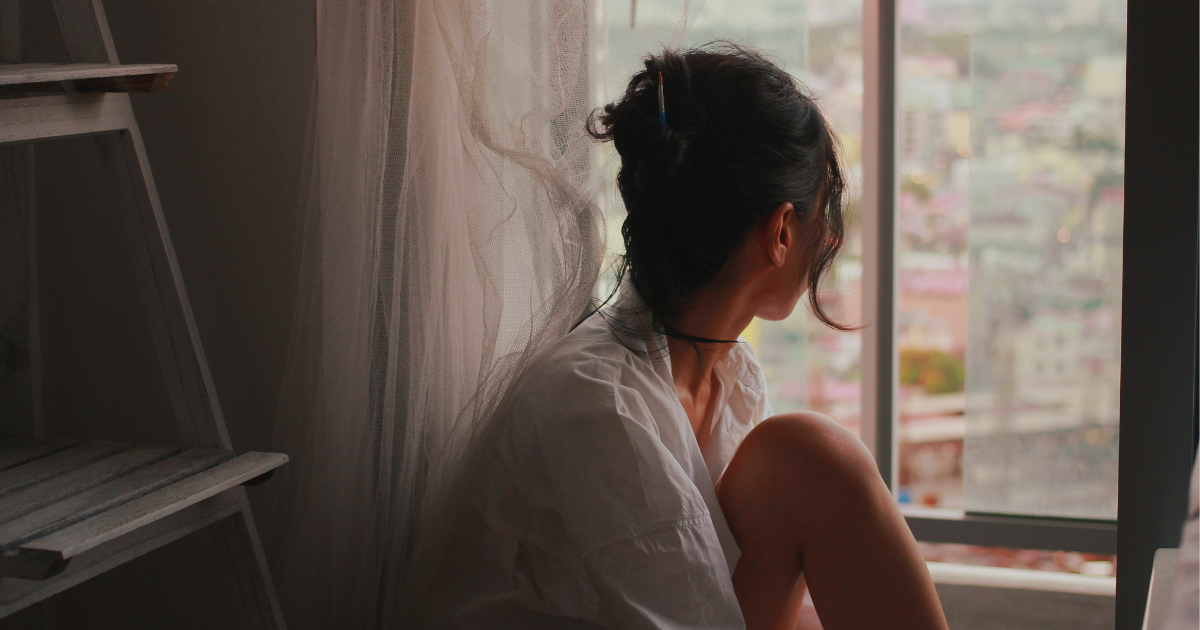
The Weight of Being the One Who Holds It Together
A reflection on caregiving for a neurodivergent child, ageing parents, and quiet resilience
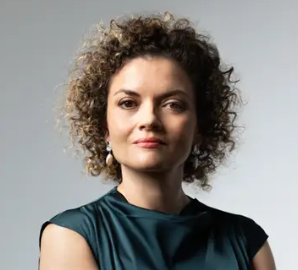
Dr Justine Gatt
Neuroscientist · Founder
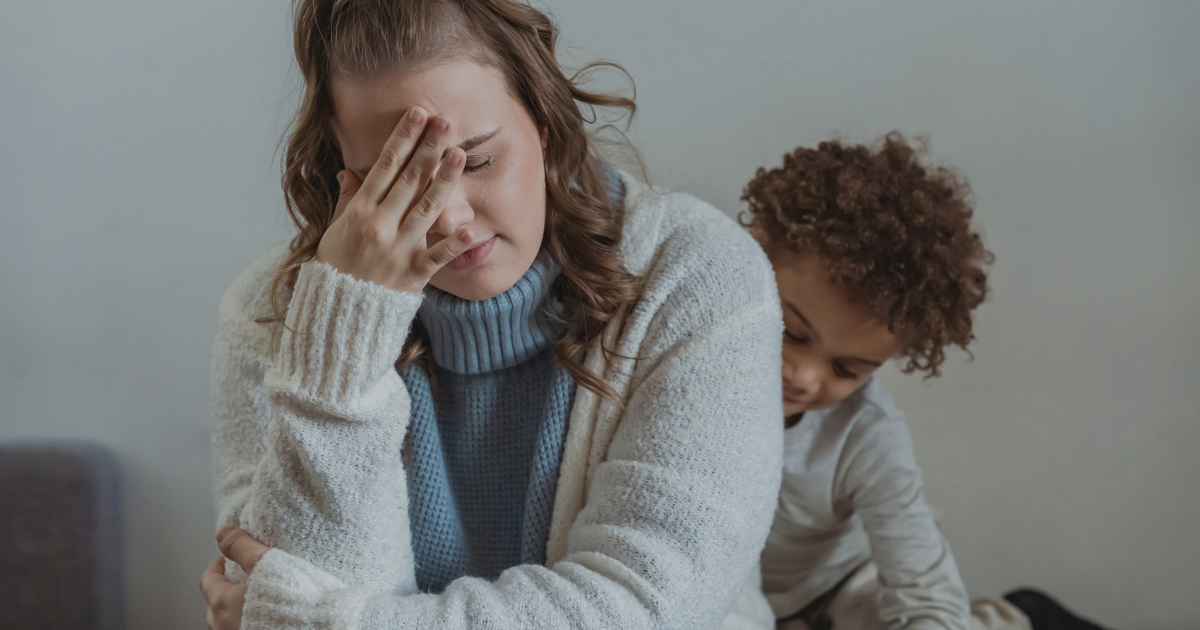
This story is inspired by stories shared by people I have encountered throughout my life. It isn't any one person's account — details have been changed and combined, while staying true to the emotional pattern we have all heard more than once.
~
On a good week, the mornings run themselves. Up before the rest of the house, a few quiet minutes before the day starts asking things of her. Into work early, before the noise begins. A handful of commitments — enough to feel useful, not so many that the day gets away from her. Home in time to be present for the people who need her. Dinner sorted. Everyone settled. If there's anything left in her by the evening, she might get twenty quiet minutes to herself before the day finally closes.
On a hard week, none of that holds. One of her children is neurodivergent, and some weeks school asks more of him — and of her — than either of them has to give. Extra patience. Extra advocacy. Extra hours spent smoothing a path that shouldn't need so much smoothing. She's running late somewhere she can't afford to be late. Work doesn't pause to make room for any of it, so she ends up doing both at once, badly, all day. Somewhere in the background is a parent getting older, and a quiet, constant sense that she should be doing more there too. By the time evening comes, she's got very little left for anyone — including herself.
What actually wears people down
Across several of these conversations, the same pattern kept surfacing. It was rarely one dramatic event that tipped someone into feeling depleted. It was the accumulation — competing roles, each with its own invisible checklist, all landing on one person at the same time. A parent. An employee. A daughter or son. A partner. Each demand reasonable enough in isolation. All of them together, relentless.
Underneath a lot of it was a quiet, self-imposed pressure to be doing more, everywhere, all the time — more patience and advocacy for a neurodivergent child navigating a system not built for him, more presence for an ageing parent, more output at work. Nobody was placing that expectation on them directly. They were placing it on themselves, and carrying it largely alone.
What actually helps
What stood out wasn't the scale of what people reached for when things got hard — it was how small and unremarkable it usually was. Not a retreat, not a program, nothing that asked them to learn something new or add another task to an already full plate. A short walk. Time with a pet. A few minutes of real, undistracted connection with someone in their household. Crossing a small, doable thing off a list, just to feel like something was within their control. Cooking, because it gave their mind somewhere to rest that wasn't the rest of the day.
More than one person, when asked about trying something new to support their wellbeing, said some version of the same thing: there simply wasn't room for one more thing. Not because they didn't want support — but because so much of what's marketed as wellbeing support asks for more from people who are already stretched past capacity. More time, more learning, more input, exactly when they have the least of any of it to give.
Why this story matters
We're not sharing this because it's unusual. We're sharing it because it's common — recognisable to a lot of people juggling more than one kind of care at once, quietly assuming that feeling depleted is just the cost of doing it well. There's no tidy resolution here. Most people in this position are still in it, holding things together through the same small, unglamorous tools — a short walk, a pet, a plan, a few minutes of real connection.
If anything, that's the point. Wellbeing support doesn't have to mean one more thing to learn or manage. Sometimes the most useful thing it can do is make space for the tools people already reach for — and make sure they don't have to hold everything together entirely alone.