The Long Wait for Someone to Ask How She Was Doing
A reflection on early menopause, and the years spent building support largely alone
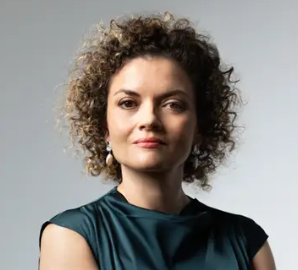
Dr Justine Gatt
Neuroscientist · Founder
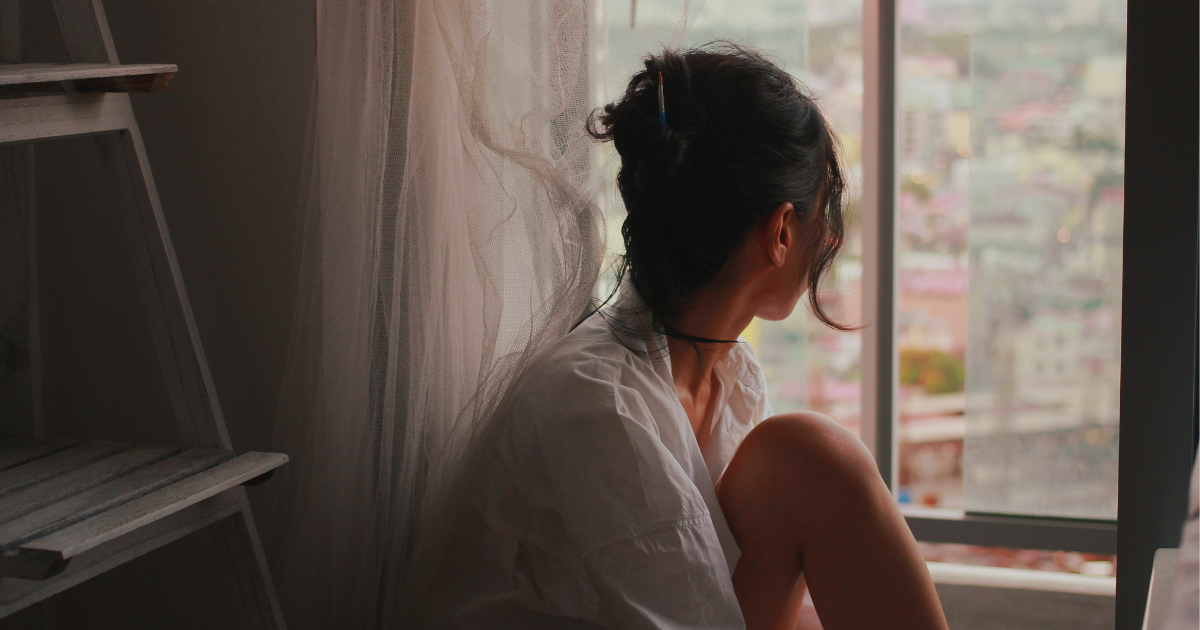
This story is inspired by stories shared by people I have encountered throughout my life. It isn't any one person's account — details have been changed and combined, while staying true to the emotional pattern we have all heard more than once.
She has a routine most people would call enviable. An early start most days, some form of movement before the world properly wakes up. A quick check-in with the people she's close to. Work that still feels meaningful to her. An evening wind-down she protects fiercely, even on the harder days. On paper, it reads like a life that's genuinely well put together.
It's a routine she built herself, piece by piece, over a long time — because for a long time, nobody built it with her.
The transition nobody prepared her for
Menopause arrived for her earlier than she expected, and with far less warning than she'd been led to believe it would come with. What followed wasn't just physical. It reshaped her mood, her sleep, her sense of who she was, in ways that took a long time to even name properly — and in ways nobody around her seemed to have much language for either.
When we asked what's most overlooked in conversations about wellbeing, this theme came up again and again, in different words: an early or unexpected start to menopause, followed by a long stretch of silence from the systems meant to support women through it. Doctors moved on quickly. Friends her age weren't there yet. The information she could find was written for a much later stage of life than the one she was actually in.
That gap is the part that stayed with us. Not menopause itself — plenty of women go through it — but the isolation of going through it early, out of step with almost everyone around her, with very little professional guidance and even less peer understanding.
What she built for herself
Over time, she pieced together her own version of support. Some medical guidance, eventually, once she found the right person to ask. Movement that worked for her — she noticed she did better with company than going it entirely alone. Small adjustments to reduce the load elsewhere in her life, freeing up energy she no longer had to spare. And underneath all of it, ordinary daily anchors: staying close to the people she loves, stepping outside when things felt like too much, protecting an evening routine even when the rest of the day had gone sideways.
None of it was a fix. What she describes isn't transformation — it's more like room to breathe, assembled deliberately, out of things she largely had to find and fund herself.
What stayed with us
What's striking isn't menopause itself — it's the length of the gap between needing support and actually receiving any, made worse by how out of step she felt with her own peer group. A major, identity-altering shift, arriving early, with a system around her that didn't seem built for anyone going through it ahead of schedule.
She eventually found her way to support. But she shouldn't have had to build the entire path herself, largely alone, for as long as she did, before anyone thought to properly ask how she was doing.
Why this story matters
We're sharing this because menopause — especially when it arrives earlier than expected — rarely gets the follow-through it deserves. There's a moment of acknowledgement, and then, often, a long quiet afterward where women are left to work it out largely on their own, especially if they're going through it years ahead of their friends. If there's one thing this pattern makes plain, it's this: wellbeing support shouldn't only show up at the expected life stage. It should be there whenever someone actually needs it — early, on time, or late.